
How Does the 2026 Nissan Murano AWD Perform in Spokane Winters?
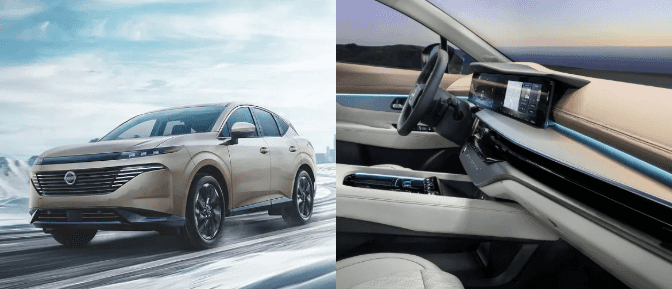
Since 1943, three generations of the Wendle family have watched Spokane winters do the same thing every year: turn the South Hill into an ice slide and dump lots of snow on Liberty Lake commuters with almost no warning. We’ve sold and serviced vehicles through all of it. So when customers ask whether the 2026 Nissan Murano’s Intelligent All-Wheel Drive is actually up to an Inland Northwest winter, we can answer from decades of local experience.
Short answer is yes, with the right expectations and the right tires. Here’s how the system works, where it earns its keep on Spokane roads and where drivers still need to do their part.
What Is Nissan’s Intelligent AWD and How Does It Actually Work?
Every 2026 Murano trim, the SV, SL and Platinum, now comes standard with Intelligent All-Wheel Drive. Unlike some competitors that make AWD dependent on trim or configuration, the 2026 Nissan Murano comes standard with Intelligent All-Wheel Drive across the entire lineup.
For Spokane and Inland Northwest drivers, that’s an important distinction: you don’t have to move to a higher Murano trim to get AWD capability. All three trims pair Intelligent AWD with the 2.0-liter VC-Turbo engine, 241 horsepower, 260 lb-ft of torque and a 9-speed automatic transmission.
Torque Distribution
In normal driving, the Murano runs mostly through the front axle to save fuel. The system is constantly monitoring wheel speed on all four wheels, and as soon as it detects slip like a wet on-ramp, a patch of black ice, loose gravel on a Mount Spokane access road, it redirects torque to the rear axle to restore grip. It’s a proactive, always-on system rather than something the driver has to switch on.
What This Means in the Snow
For a Spokane commuter, this translates to noticeably better traction pulling away from a stop on Division Street after a fresh snowfall and more confidence merging onto I-90 when the shoulder is still slushy. It is not, however, a substitute for good tires or good judgment: more on that below.
How Intelligent AWD Helps in Snow and Ice
Intelligent AWD improves winter safety and control in several specific ways. Here’s exactly what it does, and doesn’t do:
- Detecting wheel slip: Sensors at all four wheels continuously measure wheel speed. When one or more wheels spin faster than the others, sign of lost traction, the system detects it in real time, before the driver might notice.
- Distributing torque: Once slip is detected, the system shifts engine torque from the front axle to the rear axle, sending power to the wheels with the most available grip.
- Acceleration traction: This torque shift is most noticeable when pulling away from a stop on snow or ice, like at a light on Division Street or leaving a snow-covered driveway, where AWD reduces wheel spin compared to a front-wheel-drive-only vehicle.
- Cornering: By routing power to the wheels with better grip, AWD helps the vehicle hold its intended line through a snowy or wet curve, reducing understeer on turns like South Hill’s switchbacks.
- Maintaining momentum: On moderate grades and rolling snow-covered terrain, continuous torque redistribution helps the vehicle keep moving steadily rather than losing and regaining traction repeatedly, which is especially useful climbing I-90 toward Fourth of July Pass.
- What AWD cannot do: AWD does not improve braking or stopping distance, and it does not prevent skidding once all four tires lose grip on ice. It is a traction-and-acceleration system, not a braking or stability cure-all.
- Why tires still matter: Tire compound and tread design govern how much grip is available in the first place, AWD can only distribute the grip that’s there. A Murano on worn all-season tires will still struggle on ice regardless of drivetrain.
- Braking limitations: Stopping distance is determined by tires and the anti-lock braking system, not by how many wheels are driven. An AWD Murano and a FWD vehicle wearing the same tires will stop in roughly the same distance on ice.
In short: Intelligent AWD is a traction and momentum tool for accelerating, cornering, and staying in motion. Pairing it with proper winter tires is what closes the gap on braking and worst-case ice grip.
Spokane & Inland Northwest Winter Conditions That Actually Test AWD
Hearing that AWD is great in the snow is a bit generic. What is the vehicle really up against? Here’s what Spokane will throw at AWD:
- South Hill grades: Streets like Grand Blvd, 14th Ave and the switchbacks near Manito Park combine steep pitch with poor sun exposure, so ice lingers after plows come through.
- I-90 and Fourth of July Pass: The stretch between Spokane Valley and Coeur d’Alene climbs through terrain that sees heavier, wetter snow than the valley, a common commute for Post Falls and CDA-based Murano owners.
- Bridge decks: The Monroe Street, Maple Street and Sunset Hill bridges ice before the rest of the road surface due to cold air circulating underneath, a classic black-ice trap.
- Lake-effect snow bands: Areas near Hayden and Coeur d’Alene Lake can see localized, fast-developing squalls that surrounding Spokane neighborhoods miss. This is what Intelligent AWD was actually designed to help manage.
Murano vs. Rogue vs. Pathfinder: Which Nissan AWD Fits Your Winter Commute?
All three carry Nissan’s Intelligent AWD, but they’re tuned for different priorities. If you’re cross-shopping within the Nissan lineup for Inland Northwest winters, here’s the quick comparison:
| Model | Best For | Winter-Relevant Notes |
|---|---|---|
| Murano | Daily commuters, empty-nesters, near-luxury comfort | Lower step-in height than Pathfinder; heated/ventilated seating available on SL and Platinum |
| Rogue | Value-focused families, smaller footprint | Lightest of the three, tightest turning radius for hilly neighborhood streets |
| Pathfinder | Larger families, towing, three-row needs | Highest ground clearance of the three — best suited to unplowed rural roads near Mt. Spokane or Newman Lake |
Not sure which fits your household? Our sales team can walk you through all three side by side.
Real-World Performance: What Spokane Owners Should Expect
On Fresh Snow
The Murano works great in low-speed, high-torque driving like pulling out of a snow-covered parking spot in downtown Spokane at River Park Square or accelerating from a stop on Freya Street. Traction control and Intelligent AWD work together here, and most drivers notice less wheel spin than in a comparable FWD-only crossover.
On Ice: Where AWD Might Have Limits
The 2026 Murano’s Intelligent AWD is standard across the SV, SL and Platinum trims, giving Spokane drivers all-wheel traction as standard equipment. But AWD doesn’t eliminate the need for appropriate tires, especially when braking or driving on ice.
Washington’s Studded Tire Window
According Washington State Department of Transportation, WA allows studded tires from November 1 through March 31. Combining the studded tires with a Murano’s Intelligent AWD gives Inland Northwest drivers what they need for winter driving.
Maximizing Your Murano’s Winter Performance: Tips from Wendle’s Service Team
- Check tire pressure monthly: Cold Spokane mornings (average 23°F to 26°F is common in December) can drop tire pressure enough to trigger the TPMS light and reduce effective grip.
- Have your 12V battery load-tested before December: Cold cranking amps drop with temperature and can prevent your vehicle from starting.
- Confirm all-season vs. winter tire performance: If you drive South Hill or the CDA corridor daily, ask our service team about a seasonal winter tire package.
- Keep the AWD system’s sensors clean: Road anti-icer and slush buildup around wheel-speed sensors can affect responsiveness; a routine winter inspection catches this early.
Our factory-trained technicians know the winters around Spokane and can give your vehicle the treatment relevant to your driving conditions.
Murano Trim Comparison for Winter-Ready Features
The biggest takeaway: AWD isn’t a trim-level upgrade on the 2026 Murano. SV, SL and Platinum all include intelligent AWD.
| Trim | Drivetrain | Winter-Relevant Standard Features |
|---|---|---|
| SV | Intelligent AWD (standard) | Heated front seats, Safety Shield 360, hill start assist |
| SL | Intelligent AWD (standard) | Adds heated steering wheel, remote engine start, Bose audio |
| Platinum | Intelligent AWD (standard) | Adds ventilated/massaging front seats, heated rear seats, available ProPILOT Assist 2.1 |
For most Inland Northwest winter commuters, the SL meets the best balance. The remote start alone is worth it on a 20°F Spokane Valley morning. Platinum’s heated rear seats and added luxury is beneficial for longer commutes from Coeur d’Alene to downtown Spokane.
Why Spokane Families Trust Wendle Nissan for Their Murano
Wendle Nissan has been family-owned since 1943, four generations serving Spokane, Spokane Valley, Coeur d’Alene and Post Falls through every kind of winter this region has produced. Under Kristin Goff’s leadership, our team combines factory-trained service expertise with the kind of neighborly, straight-answers approach that comes from actually living here.
Frequently Asked Questions
Does the Nissan Murano’s Intelligent AWD work well in Spokane snow?
Yes. The system proactively redistributes torque to the rear axle when it detects wheel slip, which noticeably improves traction from a stop and on moderate grades common to South Hill and Spokane Valley. It performs best when paired with proper tires for the season.
Is AWD alone enough for driving South Hill in winter?
AWD helps with acceleration and cornering grip, but it doesn’t shorten braking distance on ice. For South Hill’s steep, shaded streets, we recommend dedicated winter tires alongside the Murano’s standard Intelligent AWD.
Do I need winter tires if my Murano already has AWD?
For occasional light snow, all-season tires paired with Intelligent AWD are usually sufficient. If you regularly drive the Fourth of July Pass corridor to Coeur d’Alene or unplowed South Hill side streets, winter tires make a measurable difference. Note that Washington allows studded tires November 1 through March 31.
What’s the difference between the Murano SV, SL and Platinum for winter driving?
All three share the same standard Intelligent AWD. SL adds a heated steering wheel and remote start; Platinum adds ventilated/massaging seats and available ProPILOT Assist 2.1.
How does the Murano’s AWD compare to the Rogue’s for Spokane winters?
Both use the same Intelligent AWD system. The Rogue is lighter with a tighter turning radius for hilly neighborhood streets, while the Murano offers a lower step-in height and a more comfort-focused winter feature set. Neither has more ground clearance advantage over the other; Pathfinder leads that category.
Where can I get my Nissan Murano’s AWD system serviced in Spokane?
Wendle Nissan’s factory-trained technicians service Muranos for customers throughout Spokane, Liberty Lake and Mead including seasonal winter-readiness inspections covering tires, battery and AWD sensor checks.
0 comment(s) so far on How Does the 2026 Nissan Murano AWD Perform in Spokane Winters?